What Schools, Offices & Houses of Worship Need to Know
Electrical systems rarely fail without warning – but deterioration is often invisible.
Cables age. Connections loosen. Protective devices become outdated. Buildings are extended, altered and adapted. Over time, what was once compliant may no longer meet modern safety standards.
An Electrical Installation Condition Report (EICR) is the formal process of assessing whether your fixed electrical installation remains safe for continued use.
For schools, commercial offices and houses of worship, it is not simply good practice – it is a fundamental part of fulfilling your legal duty of care.
At Lake Electrical Limited, we specialise in detailed commercial EICR reporting across Kent and the South-East.
What Is an EICR?
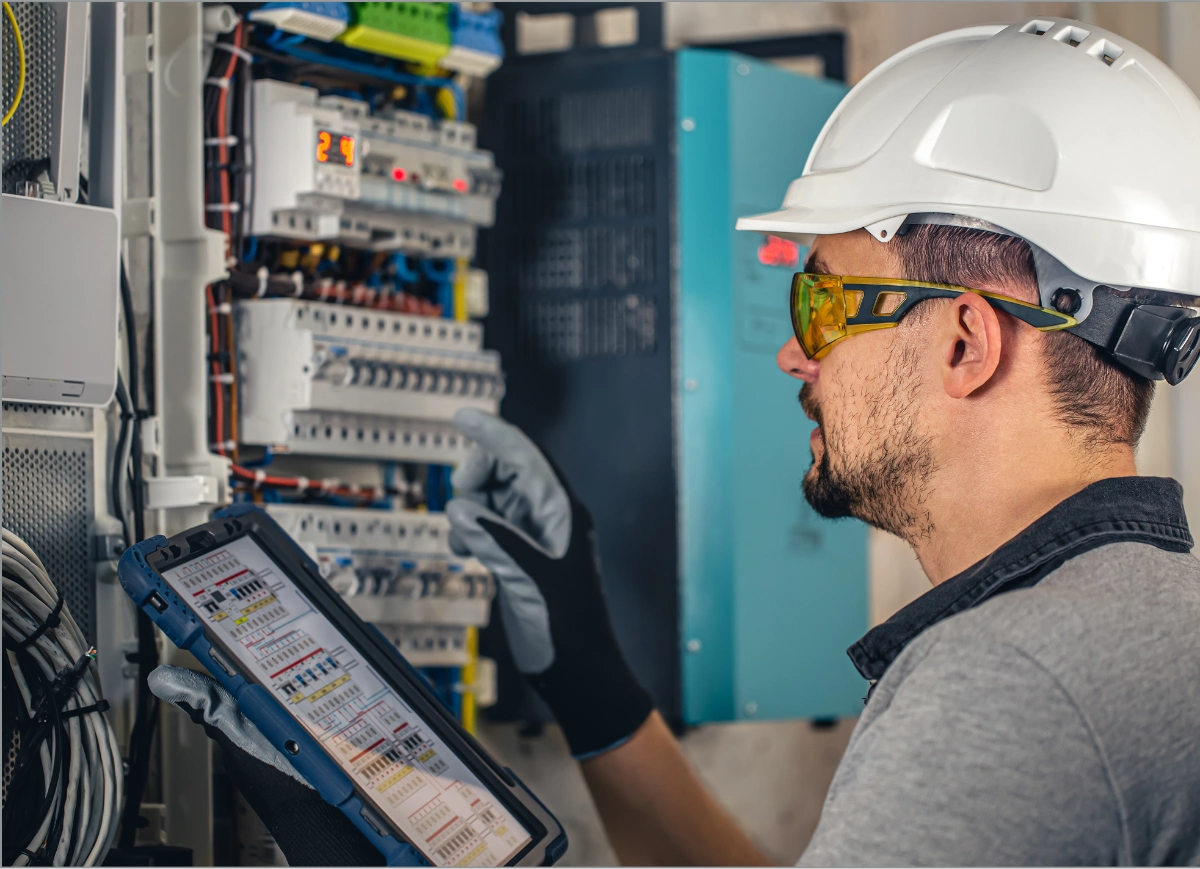
An Electrical Installation Condition Report is a structured inspection and test of the fixed wiring within a building.
It assesses:
- Distribution boards and consumer units
- Circuits and protective devices
- Earthing and bonding arrangements
- Overcurrent and fault protection
- Signs of damage, overheating or deterioration
- Compliance with current BS 7671 standards
The purpose is to determine whether the installation is:
- Safe for continued use
- In need of improvement
- Requiring urgent remedial action
Why EICRs Are Essential in Educational Settings
Schools and academies are high-occupancy environments where electrical safety is directly linked to safeguarding.
In educational buildings:
- Circuits often serve IT suites and specialist equipment
- Installations may have been extended over decades
- Usage patterns evolve with technology
- Young occupants depend on safe infrastructure
Under the Electricity at Work Regulations 1989 and the Health and Safety at Work etc. Act 1974, duty holders must ensure systems are maintained safely.
A thorough EICR supports:
- Ofsted readiness
- Academy trust governance
- Insurance compliance
Risk management planning
EICRs for Commercial Offices
In commercial workplaces, electrical systems underpin:
- IT infrastructure
- HVAC systems
- Lighting and emergency systems
- Security and access control
An EICR identifies deterioration or protective shortcomings before they result in downtime, fire risk or liability exposure.
Facilities managers and directors benefit from:
- Clear prioritisation of works
- Budget planning insight
- Documented compliance
EICRs for Houses of Worship & Community Buildings
Houses of worship often present unique challenges:
- Older wiring systems
- Multiple phases of installation
- Heritage constraints
- Volunteer-led management
Even where occupancy is intermittent, trustees remain legally responsible for ensuring electrical systems are safe. A detailed EICR provides clarity and defensible documentation.
Understanding EICR Observation Codes
An EICR includes coded observations that indicate severity.
C1 – Danger Present
Immediate risk of injury. Urgent action required.
C2 – Potentially Dangerous
Significant risk. Remedial work required without delay.
C3 – Improvement Recommended
Not unsafe, but below current standards. Improvement advised.
FI – Further Investigation
A potential issue has been identified that requires deeper examination.
For a report to be classed as Satisfactory, it must contain no C1, C2 or FI observations.
Why the Detail in an EICR Matters
Not all EICR reports provide the same level of clarity.
In larger or more complex buildings, rushed inspections may result in:
- Excessive limitations
- Insufficient testing
- Lack of detailed explanation
- Poorly prioritised recommendations
At Lake Electrical Limited, we prioritise:
- Allowing sufficient time on site
- Thorough inspection and testing
- Clear, descriptive observations
- Practical guidance for phased improvements
Our reports are written to be usable documents – not just certificates.
They help building managers and trustees:
- Prioritise safety risks
- Plan capital expenditure
- Demonstrate governance
- Improve installations over time
How Often Should an EICR Be Carried Out?
Typical recommended intervals are:
- Schools and educational buildings: Every 5 years
- Commercial offices: Every 5 years
- Houses of worship: Every 5 years
- Industrial premises: Often more frequently
However, risk assessments or insurance policies may require shorter intervals.
When Should You Arrange an EICR?
You should consider arranging an EICR if:
- Your previous report is approaching expiry
- You have undertaken major alterations
- You have installed EV charging or solar systems
- Your insurance provider requests updated certification
- You manage a multi-site estate requiring structured oversight
Proactive inspection reduces reactive repair.
The Importance of Using a Competent Contractor
An EICR must be completed by a competent, experienced electrician with appropriate qualifications and calibrated testing equipment.
Choosing an independently assessed contractor ensures:
- Testing is thorough
- Observations are technically accurate
- Certification is recognised
- Reporting is defensible
As NICEIC Approved Contractors, Lake Electrical Limited is assessed annually to verify compliance with current standards.
Final Thoughts
An Electrical Installation Condition Report is more than a regulatory requirement.
It is a structured assessment of the safety of your building’s electrical infrastructure — protecting people, supporting governance and reducing risk.
For schools, offices and houses of worship, a detailed and carefully completed EICR provides clarity, confidence and a clear path toward continual safety improvement. If you would like to discuss arranging a commercial EICR or reviewing your current compliance status, Lake Electrical Limited would be pleased to assist.